
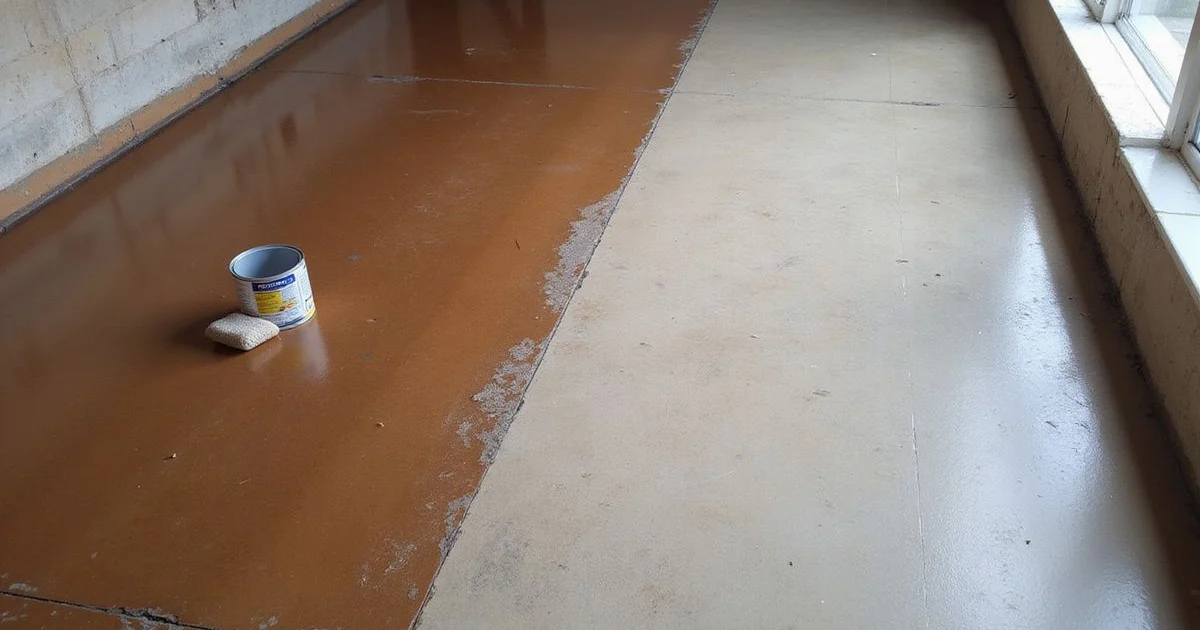
Same Symptom, Two Different Jobs
Both jobs start with a floor that no longer looks right. From there they split on how much work is involved, what it costs, and how long it takes. Pick the right one and you're far less likely to pay for work you didn't need, or a finish that fails again.
A reseal is for a floor where the color is still good but the sealer has worn off. A restoration is for a floor where the finish itself has failed. We figure out which one you have when we look at the floor, and our floor restoration page walks through how. For the signs to watch for, see our guide on reading a worn floor.
The Two Jobs Side by Side
| Topic | Reseal | Full restoration |
|---|---|---|
| The old sealer | Scuffed up or partly stripped | Taken off completely |
| Surface work | Cleaning and small repairs | Grinding when needed, repairs, and fixing the surface |
| Color work | None | Touching up or recoloring the whole floor |
| Checking for moisture | If there are signs of it | Depends on the job |
| How long it takes | Short, often one to two days | Several days, sometimes longer |
| How the cost compares | Lower | A lot higher |
| Pick it when | Color is fine, sealer is worn | Color or surface has failed |
What Happens in a Reseal
We clean the floor well, then scuff up or lightly strip the old sealer so the new coat will stick. We fix any small damage. Fresh sealer goes on in coats, drying between each one, and the floor has to cure before you can use it normally again.
Will the new sealer work with the old one? That's the big question. It has to stick to what's already there or replace it completely. We typically test a small area to find out what's on the floor instead of guessing.
Check that any quote you get includes that step. It's a common place for DIY resealing to go wrong. Put a new sealer over an old one it doesn't work with, and it can turn cloudy, lift, or fail to stick at all.
What Happens in a Restoration
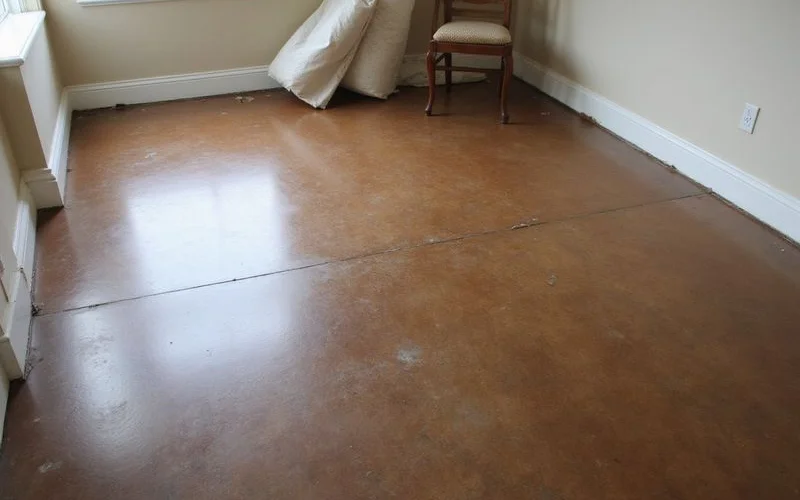
Everything on the surface comes off. Depending on the floor, that can mean grinding it away by machine. A failing coating rarely strips off cleanly, and chemical stripper leaves residue that has to be cleaned up completely or the next coat won't bond.
With the floor bare, we fix the surface: patching, crack repair, and whatever made the finish fail in the first place. If moisture is part of the problem, we talk through how to handle it now, not later. Fixing the source, like drainage or a leak, is outside our decorative work.
Then comes the color. Depending on the floor, that can mean blending worn walking paths into the color around them or recoloring the whole area. Blending is harder than it sounds. A reactive stain (like acid stain) that's partly worn doesn't take new color the way bare concrete does.
Last, the sealer goes back on in coats, and the floor needs to cure before anyone uses it. Cure times vary, so follow the care and cure guidance we go over with you when the job is done. If anything comes up later, let us know and we'll talk it through.
Why we look before we quote
If we quoted a reseal on a floor that needs restoration, you'd be unhappy with it in six months. If we quoted a restoration on a floor that only needed a reseal, you'd pay for work you didn't need. That's why we take a good look first.
How the Costs Stack Up Over Time
A reseal done at the right time is usually the cheapest fix, and staying on top of it tends to keep you out of a restoration.
Wait until the color wears through (usually first on the path from the back door to the kitchen), and the floor costs a lot more to put right. Now the job includes stripping, fixing the surface, and bringing the color back, on top of the sealing that would have been enough earlier.
So watch for the warning signs instead of waiting until the floor looks bad. By then, the cheaper option is usually gone.
What We Recommend and Why
We quote what the floor shows us. If a reseal looks like all your floor needs, that's what we'd recommend, not the bigger job.
When a floor does need restoration, we'll walk you through why during the consultation: the test area, how the finish failed, and where the color has gone. If the real cause is moisture or the slab moving, not wear, we'll say so. Fixing that is outside our decorative work, so we'll talk through your options, including who handles that work. A new finish over a problem nobody fixed means doing the work twice.
This is general information. Follow the product maker's instructions, and bring any questions to a consultation with us.