
Serving Austin since 2001

Concrete Overlays & Microtoppings in Austin

We put concrete overlays and microtoppings on dated or damaged slabs in Austin, and we'll tell you straight what they can't fix.

Pricing: We quote for the system you pick, with what's included, what's not, and any minimum charge in writing.

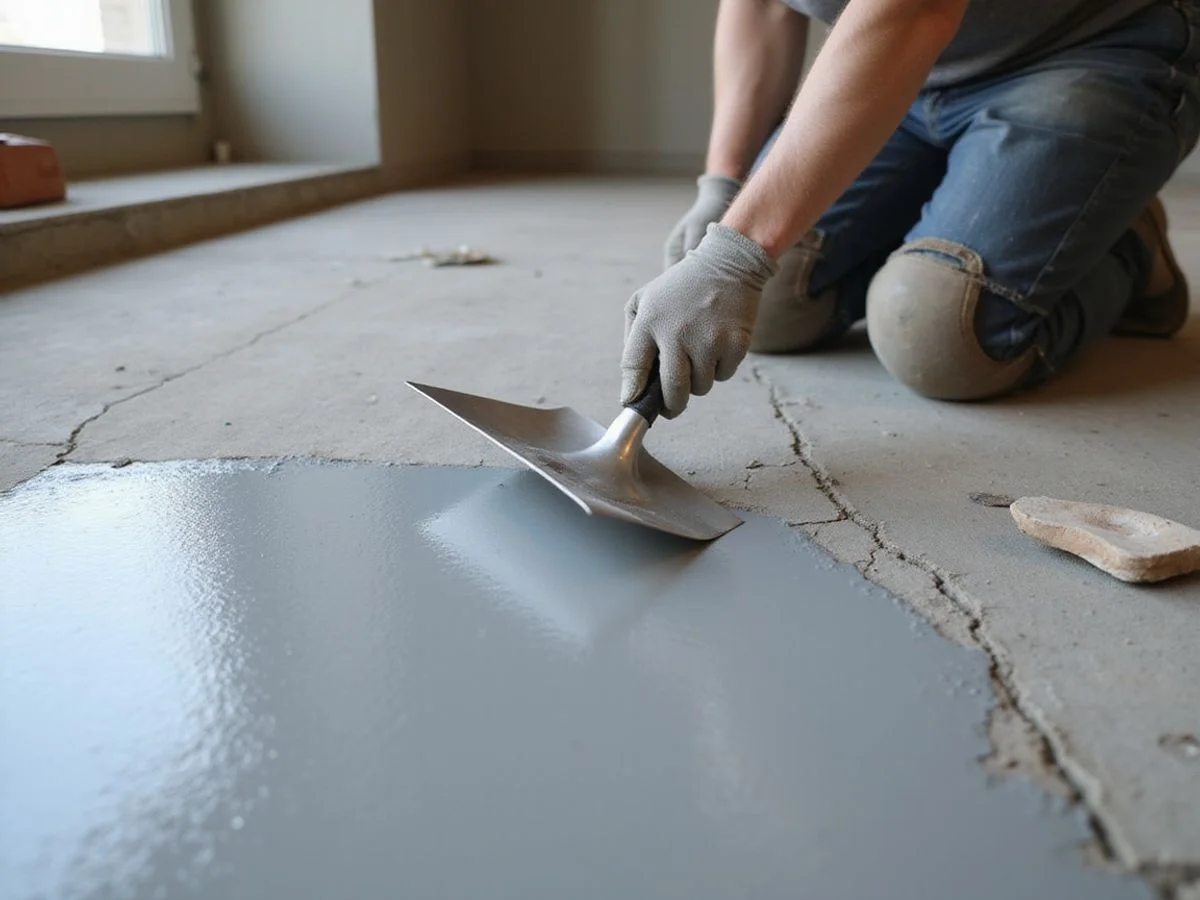
Trowel applying a thin microtopping over a dated interior concrete floor
  • Serving Austin since 2001
  • Decorative concrete specialists, not a general remodeler
  • Seven confirmed service lines
  • Published editorial standards and technical review

What Concrete Overlays Do for a Worn Slab

We've worked on decorative concrete since 2001, and polymer modified overlays and microtoppings are part of that work. An overlay puts a thin new layer of cement based material over the concrete you already have. Done right, it gives you a fresh surface: color that takes more evenly, the texture you pick, and most old marks from the slab underneath covered up.

It's the practical fix when a floor is solid but looks worn out. The same goes for a slab so patched and uneven that stain won't give you a result you'd be happy with. We get requests for homes from South Congress to East Austin, and for warehouses and retail spaces too. We confirm coverage before we book.

The polymers are what make this work. Adding polymers to a cement mix helps it flex and stick, so it can go on thin over an old surface without cracking off. A plain sand and cement mix spread that thin would break loose.

Three Ways to Resurface

  • Microtopping. A thin skim, about 1/32 to 1/8 inch, that refreshes the look of the floor and adds almost no height.
  • Decorative overlay. Thicker, so it can carry texture like knockdown or hand troweled finishes and cover more bumps and dips.
  • Self leveling underlayment. Poured to flatten and level the floor, usually as a base for a decorative finish, not the finish itself.

What Resurfacing Can't Fix

An overlay is a decorative system. It doesn't fix structural problems, and any quote you get should say so.

Slabs move for a few reasons: settling, clay soil that shrinks and swells through a Central Texas year, or a structural problem. Whatever the cause, an overlay stuck to a moving slab will move with it. Cracks that have stopped moving can often be treated and bridged so they don't show. But cracks that are still moving will come back through on their own schedule.

An overlay is only as good as the surface under it.

If old glue, sealer, curing compound, or a failing coating stays on the slab, the overlay sticks to that instead of the concrete. Wherever that layer lets go, the overlay goes with it. Prep work like diamond grinding or shot blasting, which roughs up the surface so the overlay can grip, isn't padding in the quote. It's a big part of why the floor stays down. Sometimes we put down an epoxy vapor barrier first to help keep moisture in the slab from coming up.

When Overlays Beat Direct Staining

We usually recommend an overlay over direct staining in a few situations. The slab has been patched again and again, and the patches take color completely differently from the original concrete. Old glue has soaked in so deep that you'll still see faint outlines after we remove it. There are saw cuts, trenches, or repairs right where everyone will see them. Or you want an even, modern surface instead of a floor that shows its own history.

So why not stain the slab as it is? Stain would show everything the slab has been through. An overlay gives you a fresh start, and color on it comes out far more predictably.

An overlay beats polished concrete when a slab is too patched or uneven to polish well. This comes up a lot in apartment lobbies, retail showrooms, and other commercial floors.

Picking the Right Texture for a Central Texas Patio

Outdoor overlays can work well in Central Texas as long as the system is made for outdoor use and the texture fits how you use the space. We get requests for pool decks, driveways, and covered patios from West Lake Hills to Round Rock, and we confirm coverage before we book. A smooth finish that looks sharp in a hallway gets slippery around a wet pool, so we don't recommend one there. Knockdown and broom textures give you more grip and tend to stay cooler than a dark smooth finish (your bare feet notice in July). No wet surface is fully slip proof, so keep wet areas dry and use mats where people walk in from outside. We typically finish with a UV stable outdoor sealer, since indoor sealers aren't built for sunlight. How it holds up depends on following the care and cure guidance we go over with you.

Cost and When to Replace Instead

In 2026, overlay prices come down to the system, the square footage, the prep, and how complex the texture is. We break that down in the pricing section below. Decorative textures done by hand cost noticeably more than a plain smooth finish. They take longer, and the result depends on the installer's skill more than the material.

If our check shows the slab is failing rather than worn, we'll tell you replacing it may be the better spend. Replacement is outside our decorative work, but we'll talk through options during the consultation, including who handles it. An overlay is the job we'd want. We'll tell you anyway. Resurfacing a failing slab twice can cost more than replacing it once, and we'd rather you hear that from us before you spend the money.

For the numbers, our guide on what concrete overlays cost in Austin breaks down what drives the price. Torn between fixes? The guide on overlays versus resurfacing versus slab replacement shows where each one stops making sense. Overlays are one of several finishes we do as a decorative concrete contractor in Austin.
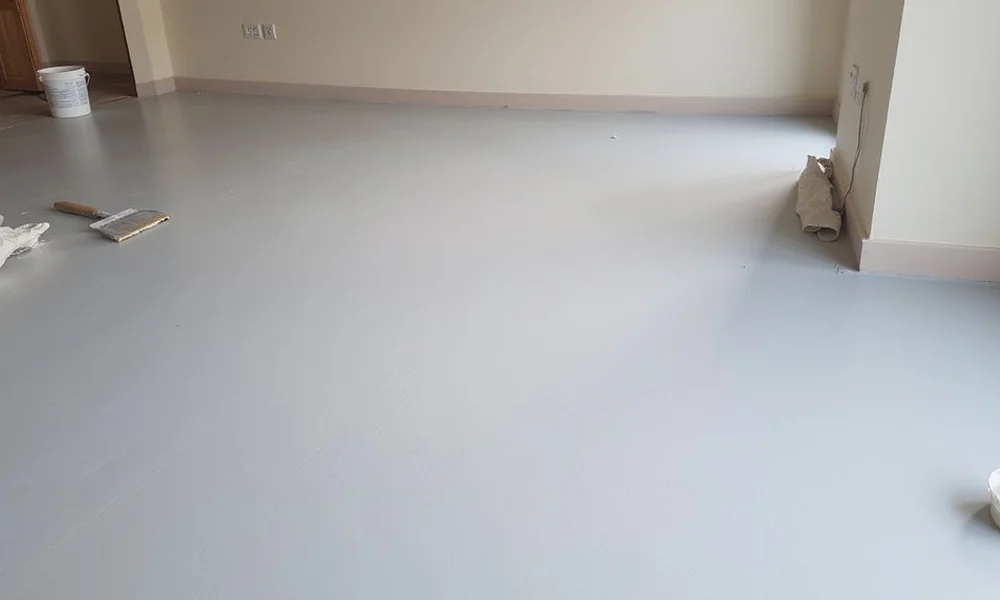
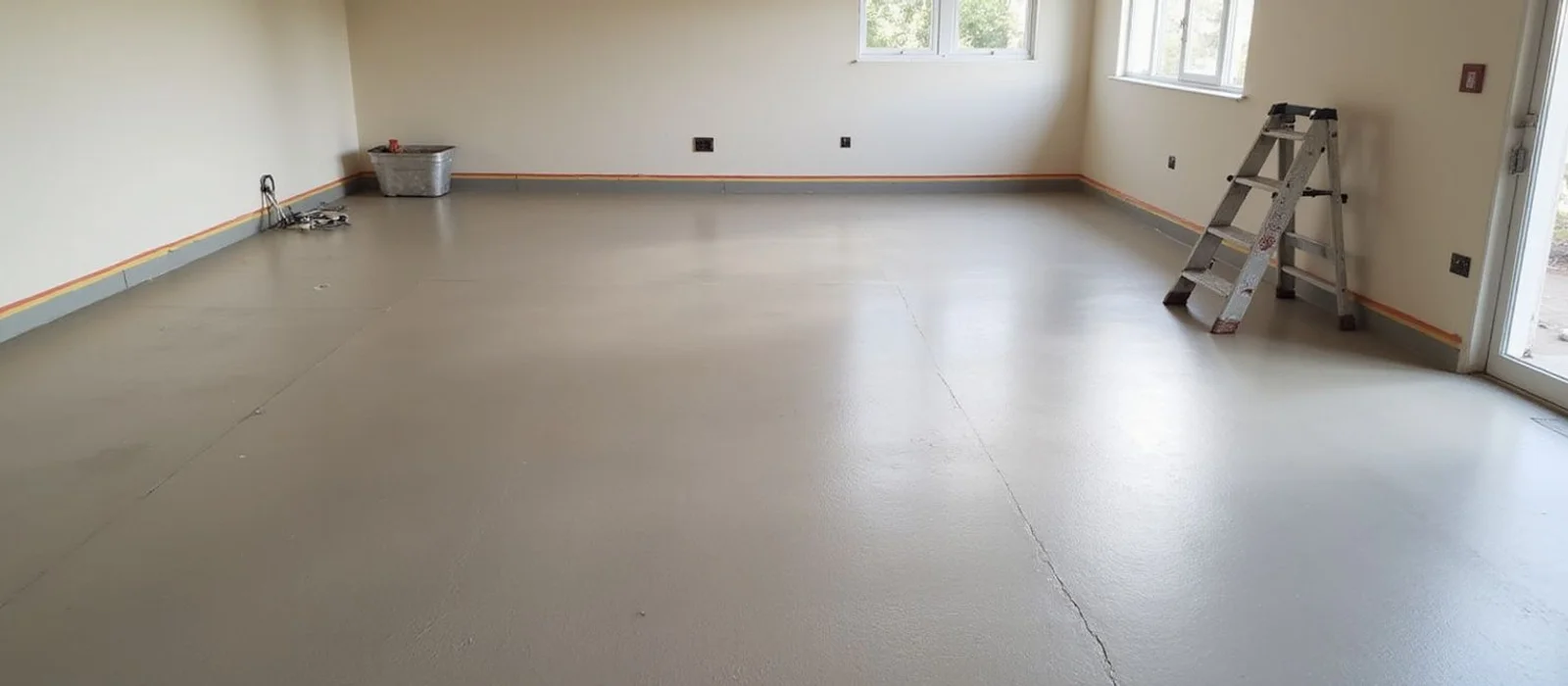
Smooth microtopping on a home floor, ready for color
Smooth microtopping on a home floor, ready for color. This is an example image, not a photo of one of our finished projects.

What you get

  • Overlays and microtoppings made with polymers that help them flex and stick
  • A check of the slab underneath before we pick a system
  • Decorative textures and finishes, including smooth and knockdown
  • Clear limits, with no promise to fix structural problems
  • Straight advice on overlay or replacement, based on what the slab is doing
Pricing

How much do overlays and microtoppings cost in Austin?

We quote based on your slab and the job. Here's what changes the price, so you can line up quotes from different contractors.

Which system: a thin microtopping, a self leveling underlayment, or a textured decorative overlay.

Square footage and layout, since edges, doorways, and spots where floors meet take extra labor.

Prep work on the slab, like roughing up the surface and removing coatings, glue, or loose material.

Repairs before resurfacing: treating cracks, fixing chipped or flaking spots, dealing with joints, and leveling.

How complex the texture is, since hand troweled and decorative finishes take a lot more labor.

The color and sealer you choose for the new surface.

Whether the control joints (the cut lines that make concrete crack in a straight line) need to be kept or recut in the new surface.

Minimum charges on small areas.

What your quote should include

A good quote ties the price to the prep, the products, access to the space, and what's not included. Ask for a written scope and any minimum charge. Your written proposal lists the prep, the system, and the sealer for your job.

Every job starts with a look at your slab. The scope, the price, and what you can expect depend on your slab's condition, the setting, and the job itself. This page covers how we usually work. Your signed written proposal is what governs the actual work. If we find something once work starts that we couldn't see before, like moisture or damage under old flooring, we talk it through with you before we go on.

Get My Free Overlay Quote
Why us

Why people pick us for overlays

We say when an overlay is the wrong answer

An overlay moves with the slab under it. If the slab is moving, resurfacing buys you time and not much else.

We check the slab instead of guessing

When an overlay comes loose, the cause is usually what was under it. We check before quoting.

Realistic about cracks

Some cracks can be treated and bridged. Structural cracks that are still moving will show back through, and we'll tell you that.

Texture picked for where it goes

Smooth looks clean indoors but can be slick outdoors. We pick texture for how you use the space, not what's trendy.

A clean canvas for color

Where a slab is too patched to stain well, an overlay gives you an even surface that takes color more predictably.

Straight talk about thickness

Microtoppings are thin by design. We explain what that means for your doors and the spots where floors meet.

Process

How an overlay job runs

  1. 1

    Checking the slab

    Before we recommend a system, we check whether the slab is solid, whether it's moving, and what's stuck to it. Whether we test for moisture depends on the slab and the system.

  2. 2

    Prep and repairs

    Prep depends on the job. It can include roughing up the surface, removing old coatings and glue, treating cracks, and leveling. Your written proposal lists the exact steps for your job.

  3. 3

    Bond coat and overlay

    We put down a bond coat, a thin layer that helps everything grip, then apply the overlay or microtopping at the thickness and texture we agreed on.

  4. 4

    Color and seal

    We add color to the new surface if you want it, then seal it with a sealer that suits indoor or outdoor use. When the job is done, we walk you through care, cure times, and upkeep. If a question or concern comes up after the job, get in touch and we'll talk it through.

Finish examples

Examples of overlay finishes

These are example images of the finishes we talked about above. Photos of our real projects are on the projects page. Your results will depend on the slab, the prep, the setting and the product.

None of the images below come from our own projects.

What to Check in Any Overlay Quote

Line up any overlay quote against these points, and see how we quote each one. Your written proposal spells out the details for your job.

What to compareWhat to check in any quoteHow we quote it
Checking the slabIs a slab check listed, including movement and moisture?We check if it's solid or moving before picking a system. Moisture testing is listed in your proposal when the job calls for it.
CracksDoes it say how cracks are handled?Typically listed in your proposal as treated, bridged, or something we can't fix
ClaimsIs it clear what resurfacing can't fix?Decorative resurfacing, with the structural limits spelled out
TextureIs the texture picked for where it goes?Picked for indoor or outdoor use and grip
Replacement adviceDoes it say when replacing makes more sense?We tell you when we think replacing is the better spend
Real projects

See our concrete projects

Look through photos of our concrete work and what each job involved. Compare the finish with your own goals, then ask us what would be different on your slab.

Questions

Overlay questions we hear a lot

What is the difference between an overlay and a microtopping?
The main difference is thickness. A microtopping is a thin skim, often a millimeter or two thick. We use it to refresh a floor that's solid underneath but looks tired, patched, or discolored. An overlay is thicker. It can take more texture, cover more bumps and dips, and handle decorative work like knockdown finishes or scoring. Self leveling underlayments are a third option. We pour them to flatten the floor, not to be the finished surface you see. Which one suits your floor depends on what's wrong with it and how much height you can give up at doorways.
Can an overlay fix a cracked slab?
It can make the crack look better, but it can't fix the slab itself. This is the biggest limit to know about. If a crack has stopped moving, we can often treat it and bridge over it so it doesn't show through the new surface. If the slab is still moving from settling, shifting soil, or a structural problem, the crack will come back through. The overlay moves with whatever it's stuck to. We check which one you have before we quote. If your money is better spent fixing the problem underneath, we'll say so. That repair is outside our decorative work, but we can talk through options during the consultation, including who handles it.
What surfaces can be overlaid?
Solid concrete is what we normally put an overlay on. Old coatings, glue, sealers, and anything loose have to come off or get roughed up first, so the overlay grips the concrete and not a film sitting on top. Some tile floors can be overlaid with the right prep and the right product. We have to check first, though. An overlay is only as stable as what it's stuck to.
Can you stain or color an overlay?
Yes, and it's one of the main reasons people choose one. An overlay gives you a fresh, even surface, so color comes out more predictably than on a slab with patches, saw cuts, and spots that soak up stain differently. Acid stain acts differently on an overlay than on old concrete. We pick the product for the new surface and tell you what to expect, instead of treating it like a bare slab job.
How thick is it, and will my doors still close?
Microtoppings are thin enough that doors usually still close fine. Where the floor meets carpet, tile, or wood, we still have to plan the edge. Thicker decorative overlays and self leveling systems add more height. Thresholds, door bottoms, and how the floor lines up with the next room all need to be worked out before we start. We bring this up when we quote. Finding out afterward gets expensive.
How durable is an overlay?
With proper care, an overlay that's bonded well to a solid slab and sealed right typically lasts for years in a home. That's not a promise, and any warranty terms are in your signed written proposal. How long it lasts comes down to three things: the shape of the slab underneath, how well the overlay bonded, and how often you reseal. It does whatever the slab does. A stable slab helps keep an overlay stable, and a shifting one doesn't.
Can overlays be used outdoors?
Yes, with systems made for outdoor use and textures picked for grip and heat. Central Texas sun and weather are hard on outdoor surfaces, so color, texture, and a UV stable sealer matter more outside than in. Smooth finishes meant for indoors are a bad pick for a patio that gets wet. No wet surface is fully slip proof, so keep wet areas dry.
Overlay or replace the slab?
Replace the slab when it has structural problems that are still getting worse, bad settling, or damage that resurfacing would only cover up. Overlay it when the slab is solid but the surface is tired, patched, stained, or the wrong texture. The overlay is usually cheaper, but not always. Resurfacing a failing slab twice can cost more than replacing it once. We'll give you our honest take during the consultation. Slab replacement is outside our decorative work, but we can talk through options, including who handles it.

Still deciding?

Send us your room size, what's on the floor now, and a couple of photos. We'll talk through what the slab may need, and set up a consultation, before you commit to anything.

Get My Free Overlay Quote

Ready to talk about overlays?

Send the room sizes, what's on the floor now, and a few photos. We'll tell you whether an overlay suits your slab before anyone quotes a number.

  • We check your slab before we recommend a color
  • What drives the cost, explained in writing
  • Serving Austin since 2001