
Why the Difference Matters Before You Sign
Two floors can look almost the same the day the job is done and still be priced far apart. Polished concrete and grind and seal are that pair.
Polished concrete is done by machine. The slab gets ground with finer and finer diamond pads until the concrete itself shines. Depending on the job, polishing can include a densifier that soaks in and hardens it. We walk through that process step by step in our guide to what polished concrete is.
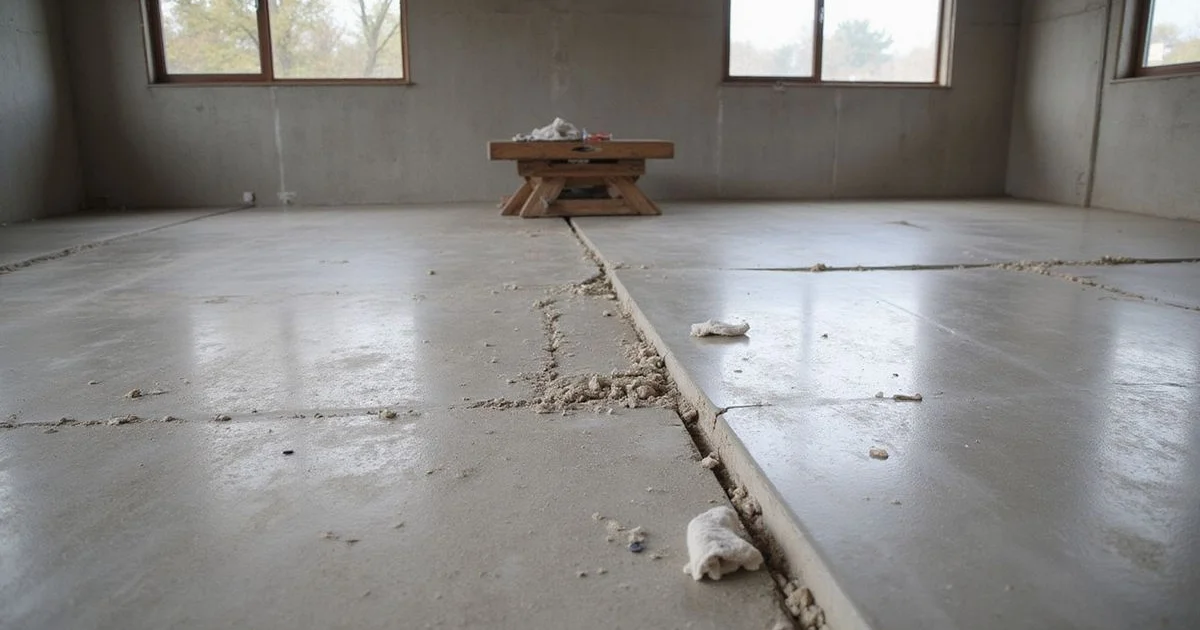
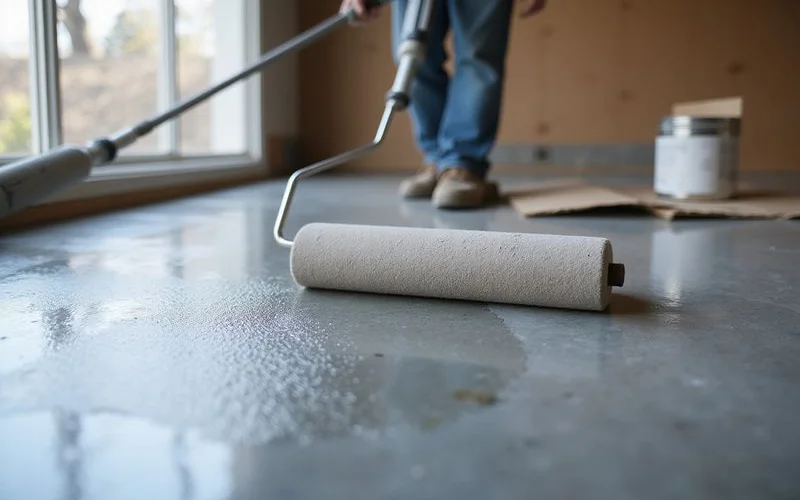
Grind and seal is a shorter process. The slab usually gets ground only enough to flatten it, open up the surface, and show a little of the stone. Then a sealer goes on top, and that sealer gives the gloss and most of the stain protection.
Both are real finishes. Your quote should name which one you're buying, and the price should fit it.
Side by Side
| Topic | Polished concrete | Grind and seal |
|---|---|---|
| Where the shine comes from | The polished concrete itself | A sealer coat on top |
| Grinding passes | Many, from coarse to fine | A few, enough to flatten and open it up |
| Hardener (densifier) | Depends on the job | Sometimes |
| Coating on top | None | Yes |
| How it wears | Usually wears down slowly and evenly | Coating wears through where people walk most |
| How you freshen it up | Buff or polish again | Strip it and put on a new coat |
| Cost to put it in | Higher | Lower |
| Stain resistance | Moderate, a stain guard is optional | Higher, as long as the coating holds up |
| Color options | Dye added during polishing | Sealer can carry color or tint |
Where Each One Wins
Polished concrete wins on how long it lasts and what it costs to keep up, on a sound slab with proper care. There's no coating to fail, nothing to strip and recoat, and worn spots get buffed back up. In a busy commercial space, that difference can add up year after year.
Grind and seal wins on the upfront price and on flexibility. It works on slabs that won't polish well, and it takes color more easily. A sealer can give you a set sheen without all the grinding passes polishing would need. It's often the right call for a garage, a laundry, a workshop, or a covered outdoor area.
Two questions to ask
How many grinding passes are included, and does the floor get a densifier (a hardener)? A polishing quote should answer both. A grind and seal quote will usually talk about the sealer instead. That's fine, as long as you know that's what you're buying and the price matches.
Which One Lasts Longer
On day one, grind and seal holds up better against stains. The coating keeps out liquids that a hardened, polished surface will slowly soak up.
Over the years, on a sound slab with proper care, polished concrete typically lasts longer, since every coating wears out in time.
Which matters more depends on the floor. In a cafe with constant spills, the coating’s stain protection earns its keep. In a warehouse with forklifts and grit, the coating in the aisles can wear through fast. A polished floor in that same aisle usually keeps doing its job.
What It Costs Over Time
Compare the two over many years instead of on the day the job is done. A polished floor costs you cleaning plus a buff now and then. A grind and seal floor costs you cleaning plus stripping and recoating as often as the traffic calls for. Every recoat means closing the space until the work is done.
In a small room at home, the lower upfront price often comes out ahead. But on a large commercial floor, it usually doesn't.
What We Recommend
If your slab is solid and flat and the space is worth it, polish it. If it isn't, or your budget is tight and fixed, go with grind and seal and know what you're getting. Pick a sealer made for the traffic it will see.
We won't grind and seal a floor and then bill it as polished concrete. Your written proposal names which finish you're getting, so you can check it against this guide.