
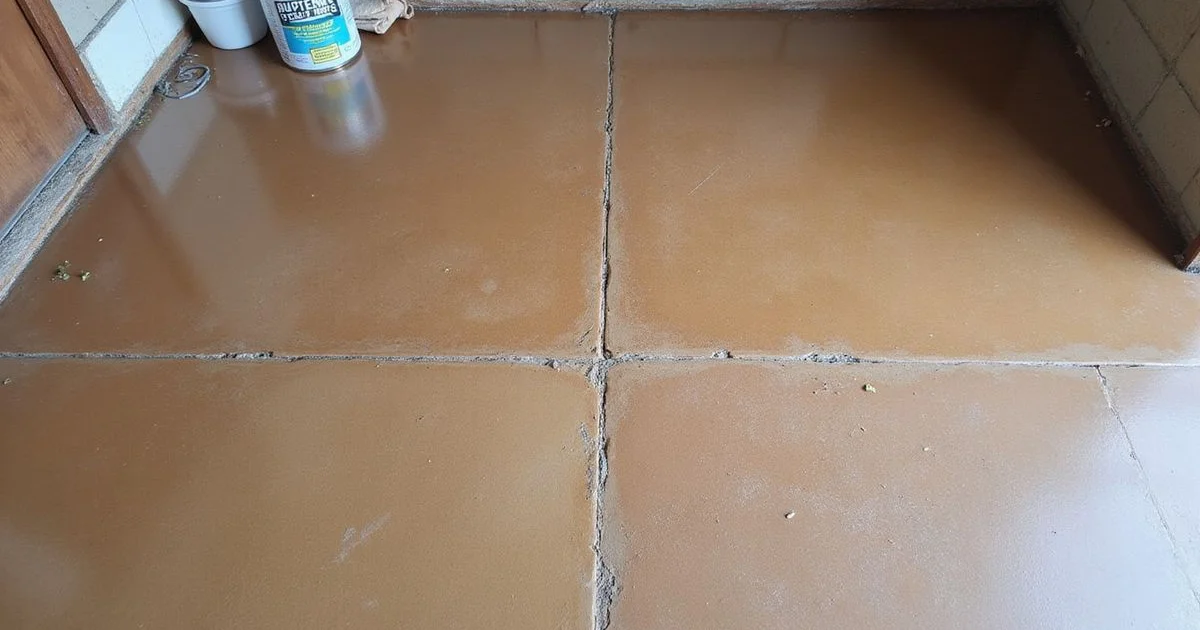
What the Sealer Actually Does
On a stained concrete floor, the color is in the concrete and the sealer is what stands between that color and everyday life. It does four jobs at once, and they pull against each other more than people expect.
It protects against stains and scuffing. The sheen comes from the sealer, and so does how deep the color looks. It changes how the floor feels underfoot and how it behaves when wet. And it sets the upkeep routine you'll live with for years.
So why do people end up unhappy with a floor whose color they love? Usually they picked the sealer from a showroom sample and didn't think about how the room gets used.
The Two Kinds of Sealer
Penetrating sealers soak into the surface and work from the inside. There's no film on top, so there's far less to peel, blister, or wear through in a doorway. They usually leave a natural, low shine look and handle moisture coming up through the slab better. You give up some depth of color and some protection against surface stains.
Film forming sealers sit on top of the surface like a coat. Acrylics are where most people start. They're easy to put down and easy to redo. Polyurethanes are tougher and stand up better to chemicals, but they're a lot harder to strip when the time comes. Film sealers give richer color and more shine. They're the reason a stained floor in a photo looks so much deeper than the same floor with a penetrating sealer.
The tradeoff is simple. Film sealers protect better, but you can see them wear. Penetrating sealers don't show wear as much, but they protect less.
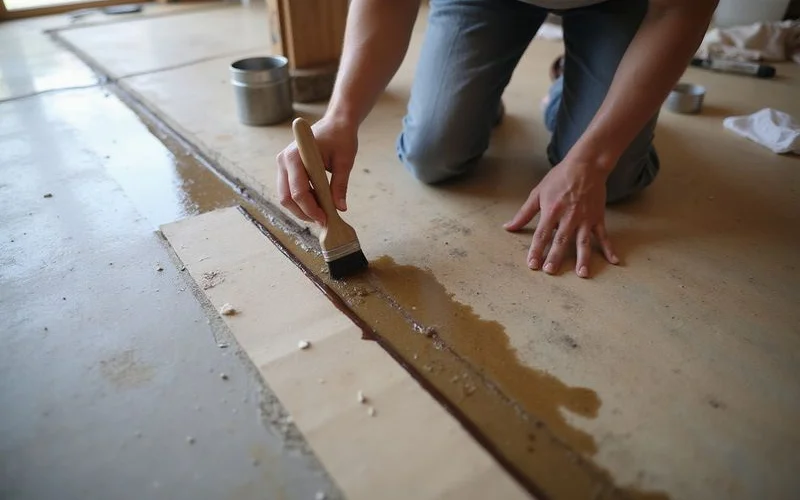
Sheen Is About More Than Looks
Matte, satin, and gloss aren't only a matter of taste.
Matte hides dust, scuff marks, and small flaws better than satin or gloss, and it looks the most natural. It's the forgiving choice for a busy household. Satin gives a little more depth without turning the floor into a mirror, and it's what most living spaces end up with. Gloss looks bold and makes the color look a lot deeper, but it shows everything: every footprint, every bit of dust, every scratch.
Gloss is the slipperiest when wet, too. That matters at entries, in kitchens, and anywhere that opens to the outside. Where slipping is a worry, we typically suggest a lower sheen or an anti slip additive in the top coat. That adds grip, but no wet floor is fully slip proof. Keep wet areas dry and use mats where people walk in from outside.
Worth knowing before you choose
Sheen changes how the color looks. The same stain under a matte sealer and a gloss sealer can look like two different colors. Gloss looks noticeably darker and richer. Look at a sample with the sealer you plan to use on it, not bare.
Your Products Have to Work Together
The stain, the sealer, and the care products all have to work together. Put a sealer over acid stain that wasn't neutralized well enough, and it may not stick. Put a new sealer over an old one nobody identified, and it can lift the old coat, turn cloudy, or fail to bond.
That's why we test a small area first on restoration and recoat jobs. It's a short step, and it can save you from a failure that takes days to fix.
Where Sealer Wears and When to Do Something
Sealers don't wear evenly across a room. They wear where you walk. The first spots to go are the path from the back door to the kitchen, the turn at the end of a hallway, and the arc a chair makes. Sunny spots near windows age differently from shaded corners.
The signs that it's time to reseal are the same no matter the product. Water stops beading and darkens the surface for a bit (a few drops from a glass will tell you). Walking paths look flat next to the edges of the room. Marks that used to wipe away start to stick around. And the floor looks tired in low, angled light, even when it's clean.
Doing something early costs far less than waiting. Adding a fresh coat before the old sealer wears through is a light job. Once the sealer wears down to bare concrete where people walk, the color itself is exposed. That's a restoration, not a maintenance visit.
Why We Won't Give You a Number
We could publish a set reseal schedule, but it wouldn't be true. A quiet household with mats at the doors and a penetrating sealer may go many years. A busy family entry with a film sealer, grit tracked in every day, and a dog will need it far sooner.
So instead, we go over the warning signs and the care routine with you. Read this along with our guide on how to clean stained concrete floors, since how you clean affects how long a sealer lasts more than almost anything else. Together, the two guides will tell you when it's time to give us a call. This is general information. Follow the product maker's instructions, and bring any questions to a consultation with us.